

How to Get on Release Radar on Spotify (Complete 2026 Guide)
What Is Spotify Release Radar
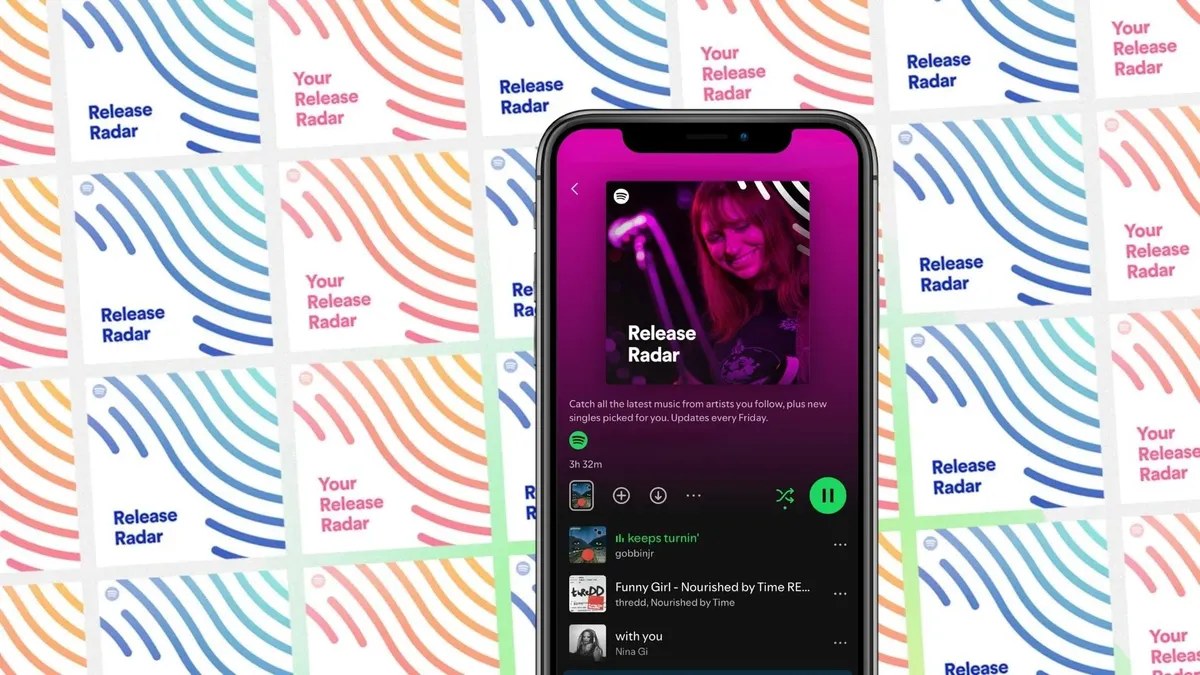
Spotify Release Radar is a personalized playlist that updates every Friday and delivers new music to listeners based on their activity. According to Spotify for Artists, Release Radar includes new releases from artists a listener follows, as well as music Spotify believes they may enjoy based on listening behavior.
Think of it like a custom feed built for every user. If someone follows your profile, your new track is automatically eligible to appear in their Release Radar. At the same time, Spotify may recommend your music to listeners who have never heard of you if your sound aligns with their habits.
This is what makes Release Radar so powerful. It blends direct audience reach with algorithmic discovery. You are not limited to your existing fanbase. You are also tapping into Spotify’s recommendation system, which is designed to increase listening time and user satisfaction.
Spotify has publicly confirmed that algorithmic recommendations drive a large share of listening on the platform, including playlists like Release Radar and Discover Weekly. That means artists who understand how this system works can grow without relying entirely on editorial playlists.
If you are serious about increasing streams, followers, and long-term growth, optimizing for Release Radar is one of the smartest moves you can make.
How Release Radar Works
Release Radar is powered by a recommendation system that analyzes user behavior. Spotify uses data such as listening history, saved songs, skipped tracks, and followed artists to determine what to show each listener.
When you release a song, Spotify first looks at your existing audience. If your followers listen to the track, save it, or add it to playlists, that sends a positive signal. Spotify then expands your reach by recommending your track to similar listeners.
Spotify has explained in its engineering and product resources that recommendations are influenced by a mix of collaborative filtering, natural language processing, and audio analysis. In simple terms, this means Spotify looks at both listener behavior and the characteristics of the music itself.
There is also a timing factor. Release Radar updates weekly, so the first few days after release are critical. Strong early engagement can increase how widely your track is distributed.
One important detail is that skips and low retention can reduce your reach. If listeners consistently skip your track, Spotify may limit how often it is recommended.
Understanding this system is key. You are not just releasing music. You are feeding data into an algorithm that decides who hears your track next.
Why Release Radar Matters for Artists
Release Radar gives artists a reliable way to reach listeners without needing industry connections. Every release becomes an opportunity to activate your audience and attract new fans.
First, it ensures your followers hear your new music. Spotify automatically includes eligible releases in its personalized playlist. This creates a baseline level of exposure every time you drop a track.
Second, it supports discovery. If your song performs well with your audience, Spotify may recommend it to listeners with similar tastes. This is how many independent artists grow from small audiences to thousands of monthly listeners.
Spotify has stated that its goal is to connect listeners with music they love while helping artists reach the right audience. Release Radar plays a central role in that process.
From a growth perspective, this creates momentum. Each successful release improves your data profile. Over time, this increases your chances of reaching more listeners with future songs.
For artists who want consistent growth on Spotify, Release Radar is not optional. It is part of the core system that drives visibility on the platform.
Requirements to Get on Release Radar
Getting on Release Radar is not about applying or being selected manually. It is about meeting the conditions that allow Spotify to include your music in its recommendation system.
First, your music must be distributed to Spotify through an official distributor. Platforms like DistroKid, TuneCore, Ditto, and Symphonic handle delivery and ensure your release meets Spotify’s technical requirements.
Check out our recommendations for top distributors here.
Second, you need access to Spotify for Artists. Spotify recommends claiming your profile so you can manage your releases, track performance, and submit upcoming music for playlist consideration.
Third, timing matters. Spotify for Artists states that you should submit your music at least seven days before release to be eligible for editorial playlists. Many distributors recommend uploading even earlier to allow for processing and promotion.
Consistency also plays a role. Artists who release music regularly provide more data points, which helps Spotify understand their audience and improve recommendations.
In short, Release Radar rewards artists who treat music releases as an ongoing strategy rather than one-time events.
Do You Need Followers
Followers are not a strict requirement, but they are one of the strongest signals you can have.
Spotify confirms that Release Radar includes new music from artists a listener follows. This means followers are your most reliable source of initial streams.
If you have followers, your track is more likely to appear in their playlist on release day. This creates immediate engagement, which can influence how far your music spreads.
However, you can still reach listeners who do not follow you. Spotify may recommend your track based on listening behavior and similarity to other music.
That said, starting with zero followers makes growth slower. Without an initial audience, your release has less data, which limits early distribution.
Building followers is not just about numbers. It is about creating an engaged audience that listens, saves, and shares your music.
The Role of Engagement and Data
Engagement is one of the most important factors in Spotify’s recommendation system. Spotify has explained that user actions such as saving a track, adding it to playlists, and listening without skipping all contribute to recommendations.
These signals help Spotify determine whether a song is worth promoting. High engagement suggests that listeners enjoy the track, increasing the likelihood that it will be recommended to others.
On the other hand, low engagement can limit your reach. If listeners skip your track quickly, Spotify may reduce how often it appears in playlists.
This is why early performance matters. The first wave of listeners plays a major role in shaping how your track performs over time.
Focusing on real listeners and genuine engagement is essential. Artificial streams or bots do not provide meaningful data and can harm your long-term growth.
Step-by-Step Guide to Get on Release Radar
Distribute Your Music Correctly
Getting your music onto Spotify starts with choosing a reliable distributor, but doing it correctly is what actually sets you up for Release Radar success. Distributors like DistroKid, TuneCore, and CD Baby deliver your music to Spotify, but they also handle important details like metadata, release timing, and audio formatting.
Metadata is more important than most artists realize. Your song title, artist name, genre, and release date all help Spotify understand where your track fits. This directly affects how your music is categorized and recommended. If your metadata is unclear or inconsistent, it becomes harder for Spotify to match your track with the right audience.
Timing also plays a critical role. Spotify for Artists recommends submitting your music at least seven days in advance for playlist consideration, but most professionals recommend giving yourself three to four weeks. This gives you time to promote your release, collect pre-saves, and prepare your audience.
Audio quality is another factor you cannot ignore. Poorly mixed or mastered tracks often lead to higher skip rates, which can negatively affect your performance in algorithmic playlists. A clean, professional sound increases the chances that listeners will stay engaged.
In simple terms, distribution is not just a technical step. It is the foundation of your entire release strategy.
Submit Your Track on Spotify for Artists
Submitting your track through Spotify for Artists is a crucial step in the process. While many people associate this with editorial playlists, it also helps Spotify understand your music on a deeper level.
When you submit a track, you provide details about genre, mood, style, and instrumentation. These inputs act like keywords that guide Spotify’s recommendation system. The more accurate and specific you are, the better Spotify can match your music with the right listeners.
Spotify has stated that this information helps their team and systems categorize your music. Even if you do not get selected for an editorial playlist, your submission still contributes valuable data that can influence algorithmic playlists like Release Radar.
Another benefit of submitting early is visibility. Your track is on Spotify’s radar before it goes live, which can improve how it’s distributed on release day.
Do not rush this step. Take time to describe your track clearly and accurately. Think about how listeners would search for music like yours and reflect that in your submission.
Release Music Consistently
Consistency is one of the most reliable ways to grow on Spotify. Artists who release music regularly tend to perform better in algorithmic playlists because they continuously provide fresh data.
Each release gives Spotify more information about your audience. Over time, the platform learns who listens to your music, how they engage, and what other artists they enjoy. This improves the accuracy of recommendations.
If you release music once and then disappear for several months, that data becomes outdated. On the other hand, releasing music every few weeks or months keeps your profile active and relevant.
Consistency also builds listener habits. When fans know you release music regularly, they are more likely to follow you and check out your new tracks. This leads to stronger engagement on release day, which is critical for Release Radar performance.
You do not need to release full albums every time. Singles, collaborations, and even remixes can help maintain momentum. The goal is to stay active and keep feeding the algorithm useful data.
Build Followers Before Release
Building an audience before your release goes live is one of the most effective ways to improve your Release Radar results. Followers are the first group of listeners who are likely to see your new track.
Spotify confirms that Release Radar includes music from artists a user follows. This means your followers are your starting point. If they engage with your track early, it increases your chances of reaching a wider audience.
Focus on attracting real followers who are genuinely interested in your music. You can do this through social media, collaborations, and consistent content. Tell your followers on TikTok and Instagram to follow your Spotify account to get updates on your music.
Pre-save campaigns are another useful tool. When someone pre-saves your track, it is automatically added to their library on release day. This can create immediate engagement, a strong signal for Spotify’s algorithm.
Avoid shortcuts like buying followers. Fake audiences = fake engagement and your Spotify account being removed. A smaller but active audience is far more valuable.
Strategies to Increase Release Radar Streams
Optimize Your Spotify Profile
Your Spotify profile is often the first impression new listeners get, especially if they discover you through Release Radar. A well-optimized profile can turn casual listeners into long-term fans.
Start with a clear profile image and a professional-looking banner. These visuals help establish your identity and make your page more appealing. Your bio should also be updated and easy to read, giving listeners a sense of who you are and what your music represents.
Including relevant keywords in your bio can improve discoverability. Mention your genre, style, and influences in a natural way. This helps Spotify better understand your positioning.
Click here for tips on setting up your Spotify profile.
You should also organize your music. Highlight your best tracks and create playlists that feature your songs alongside similar artists. This encourages listeners to stay on your profile longer, which can improve engagement signals.
A strong profile does not directly place you on Release Radar, but it supports everything that does.
Get on User Generated Playlists
User-generated playlists are a key part of Spotify’s ecosystem. These playlists are created by listeners, curators, and communities, and they often have highly engaged audiences.
Getting your music added to these playlists can increase streams and expose your track to new listeners. More importantly, it generates the kind of engagement data that Spotify uses to power recommendations.
You can reach out to playlist curators, submit your music through platforms, or build relationships within your niche. Focus on playlists that match your genre and audience.
Even smaller playlists can have an impact if their listeners are active. The goal is not just volume but quality engagement.
As your track gains traction across multiple playlists, Spotify receives stronger signals that your music resonates with listeners. This can improve your chances of appearing in Release Radar for a broader audience.
Check out our comparison of the top music promotion platforms here.
Drive Pre-Saves and Early Streams
The first few days after your release are critical. This is when Spotify evaluates how listeners respond to your track.
Pre saves help create immediate activity. When your song drops, it is already in listeners’ libraries, increasing the likelihood of plays, saves, and shares.
You can promote pre-saves through social media, email lists, and direct fan engagement. Offering incentives like exclusive content can encourage more people to participate.
Early streams are equally important. The more engagement your track receives right after release, the stronger the signal to Spotify that your music should be recommended.
Focus on building momentum before your release so you're not starting from zero.
Promote Your Music on Social Media
Social media is one of the most effective ways to drive traffic to Spotify. Platforms like TikTok, Instagram, and YouTube Shorts can introduce your music to a wide audience quickly.
Short-form content works particularly well. You can share snippets of your track, behind-the-scenes footage, or creative concepts that encourage interaction.
The goal is to bring listeners from social platforms to Spotify. Once they engage with your track, that activity feeds into Spotify’s recommendation system.
Consistent promotion helps maintain visibility and keeps your audience engaged between releases.
Common Mistakes to Avoid
Late Uploads
Uploading your music too close to the release date limits your opportunities. Without enough lead time, you cannot submit your track properly or build pre-release momentum.
Planning ahead gives you more control and increases your chances of success.
Fake Streams
Artificial streams and bots do not provide real engagement. Spotify’s system is designed to detect unusual activity, and using these methods can harm your reach.
Focus on building genuine listeners who actually enjoy your music.
Inconsistent Releases
Irregular release schedules make it harder to build momentum. Consistency helps both your audience and the algorithm understand your activity.
Advanced Spotify SEO Tips
Metadata Optimization
Metadata helps Spotify categorize your music. Use accurate titles, genres, and descriptions to make your track easier to recommend.
Think about how your audience searches for music and reflect that in your metadata.
Understanding Listener Behavior
Pay attention to your Spotify for Artists analytics. Look at metrics like streams, saves, and listener retention.
These insights help you understand what works and how to improve future releases.
Conclusion
Getting on Spotify Release Radar comes down to preparation, consistency, and real engagement. By understanding how the system works and focusing on genuine listener behavior, you can increase your chances of reaching more people with every release.
Every track you release builds data, and that data shapes your future success. Treat every release as part of a long-term strategy, and your results will improve over time.
FAQs
1. How do I get on Release Radar on Spotify?
Release your music through a distributor, build followers, and drive strong engagement. Spotify automatically includes eligible tracks based on listener behavior.
2. Do I need to submit my song to get on Release Radar?
No, but submitting through Spotify for Artists helps provide data that can improve your chances.
3. How many followers do I need?
There is no minimum requirement, but more followers increase your initial reach.
4. When does Release Radar update?
Release Radar updates every Friday with new music tailored to each listener.
5. Can new artists get on Release Radar?
Yes, but building engagement and releasing consistently improve your chances.
Looking to Promote Your Music?
Use our Spotify Playlist Submissions or TikTok Promotion services.