5 Steps To Become The Greatest Playlist Curator on Spotify

Updated for Spotify’s current playlist ecosystem.
Quick Summary: How to Become a Great Spotify Playlist Curator in 2026
To succeed as a Spotify playlist curator, you need to:
- Choose a clear niche and audience
- Build strong visuals and branding
- Curate playlists with intentional flow
- Promote through social media and ads
- Grow real listener engagement
At Playlist Push, we’ve worked with thousands of curators and artists. Over the years, we’ve seen firsthand that playlists with strong branding, consistent updates, and real listener engagement outperform generic lists every time.
This guide explains each step in detail and shows how curators can turn playlists into income through platforms like Playlist Push.
Today, being a Spotify playlist curator isn’t just a cool side gig. It’s a legit way to influence music culture, support emerging artists, and even earn money while doing something you love. What used to be a niche hobby has evolved into a recognized job path, thanks to platforms like PlaylistPush.com
Back in the day, you could throw a few of your favorite songs together, slap on a cool cover, and hope the followers rolled in. And you know what? Sometimes they actually did. But now things have changed. Spotify’s algorithm is smarter. Listeners are pickier. And just having good taste isn’t enough. You need strategy, consistency, and a real sense of storytelling in your curation.
This guide is a complete refresh on playlist curating on Spotify in 2026. Whether you’re looking to make money with Playlist Push, score remote music curator jobs, or just build a playlist people actually listen to; this is for you.
Step 1: Choose a Clear Niche and Audience for Your Spotify Playlist
Your playlist needs purpose. And not just any purpose. It should live in a niche you actually care about. Pick a genre/niche/style for your playlist. Make sure it’s a genre that you like and are somewhat knowledgeable in or listen to a lot. If you become a playlist curator, you’ll need to listen to many songs in that style, so make sure it’s one that you love.
Genre: Indie rock? Trap soul? Ambient techno? Get specific. “Pop” is too broad. Choose something that narrows your audience and increases discoverability.
Niche: Is it music for working out, studying, heartbreaks, road trips, or 3 a.m. existential crises? A niche playlist with a clear emotional hook resonates deeply with listeners.
Style: Do you want your playlist to feel chaotic, romantic, experimental, cinematic? Use this as your aesthetic filter when selecting tracks.
Step 2: Upgrade Your Playlists' Visual Identity
People do, in fact, judge a playlist by its cover. Usually, before listening to a single song on it. So if your cover image, title, and bio don’t instantly grab attention and communicate what your playlist is about, you’re losing potential followers every day.
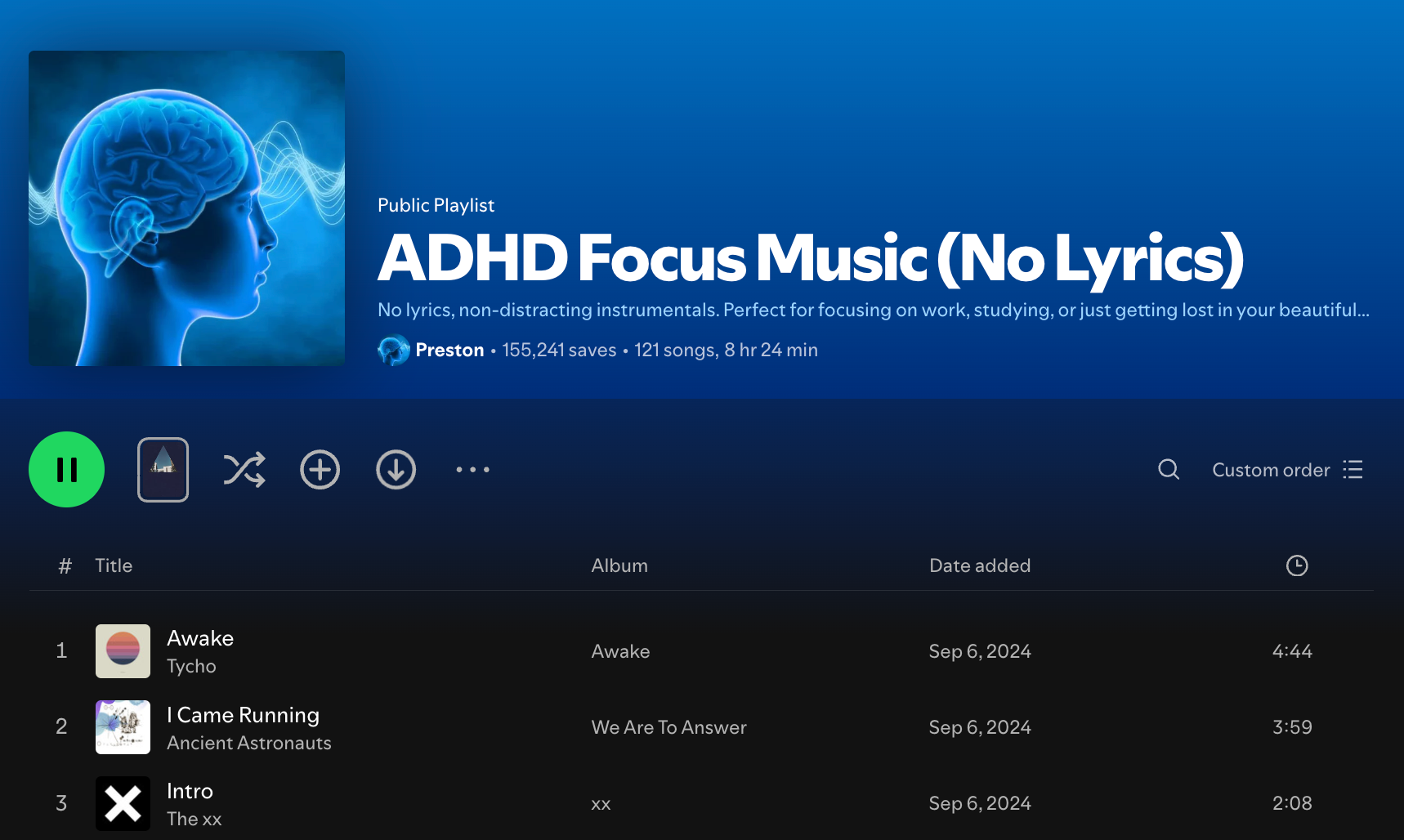
Start with your playlist cover photo. Tools like Canva, Adobe, and good old Photoshop make it easy to create high-quality, unique visuals. If you’re not designing from scratch, sites like Unsplash offer copyright-free images that are a perfect place to start, and then you can use a tool like Canva to spice it up. Avoid copyrighted celebrity images or logos; Spotify is cracking down on infringing content, and your playlist can get deleted without warning. Also, avoid overusing AI. It’s an easy shortcut, but it may turn off some potential followers who are looking for a more human touch.
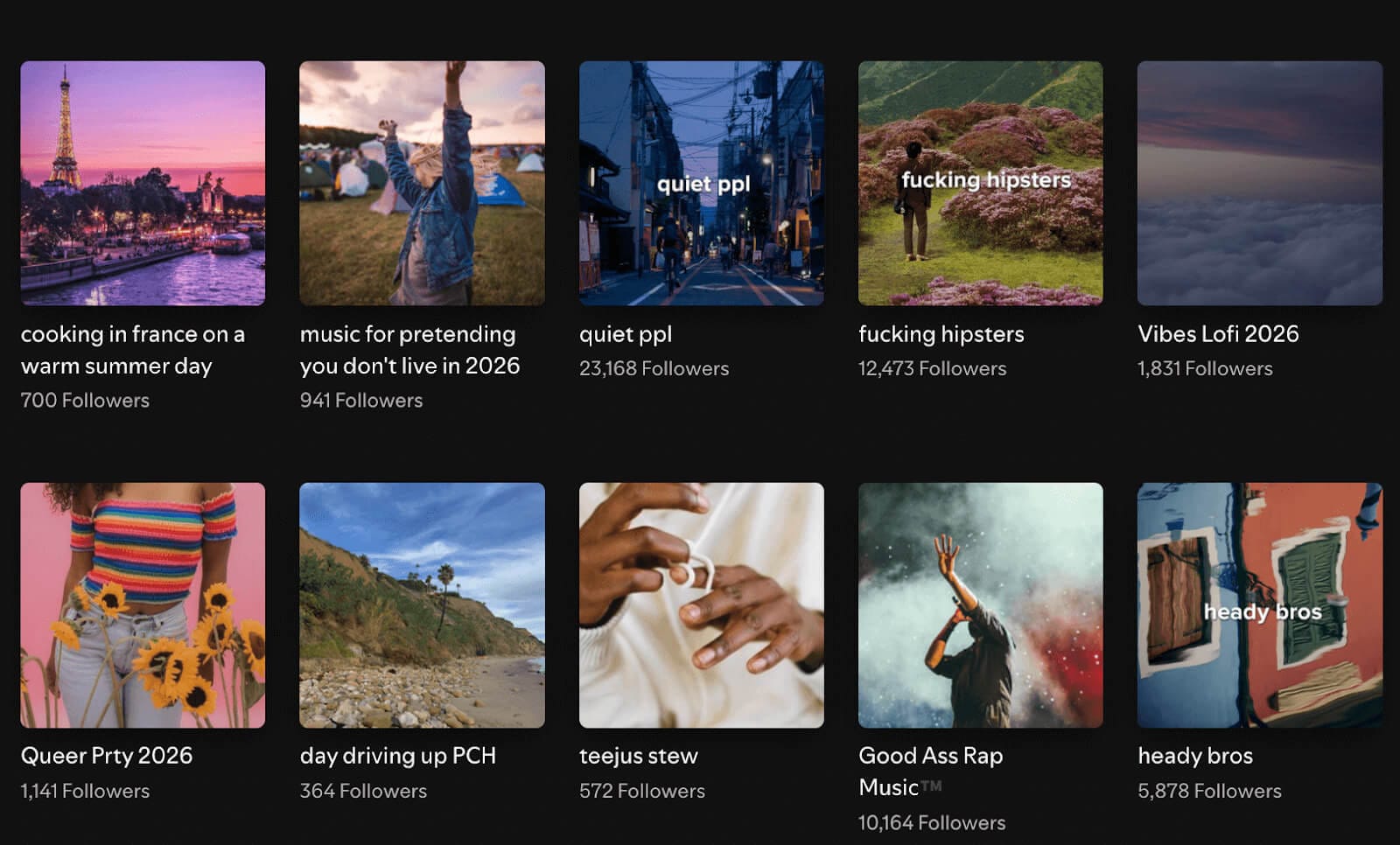
Next, focus on your playlist title. Forget vague names like “Chill Vibes” or “Good Songs.” Be specific and use targeted keywords that your potential followers are typing into the search bar. “Moody Alt R&B for Rainy Nights” is way more clickable than “R&B Chill.” Think about your ideal listener. What do they search for? What mood are they in? Tap into that.
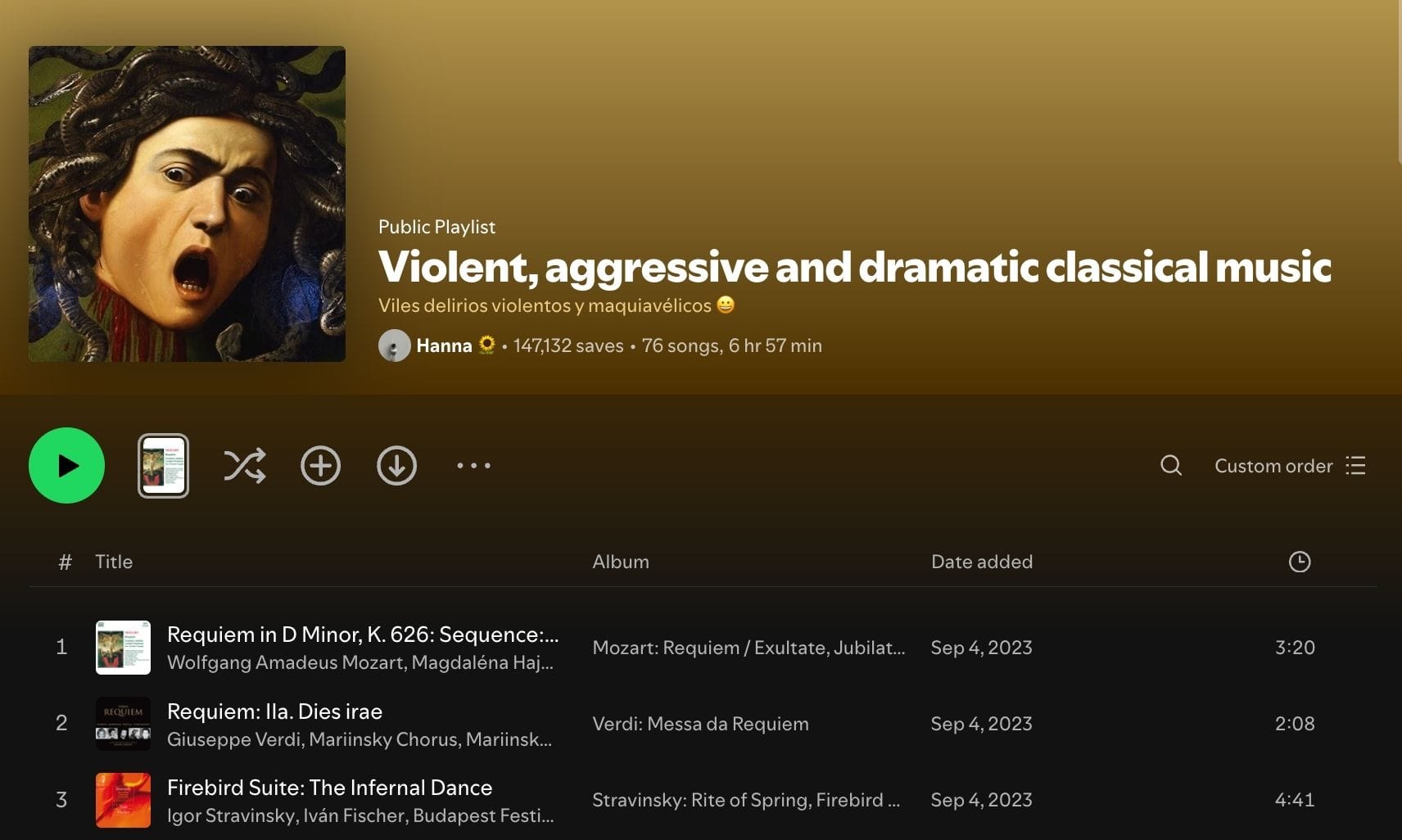
Now for the bio: the most underrated real estate on your playlist. This is where you can subtly weave in searchable keywords like "Tame Impala," "alt-pop," or "lo-fi study beats," without sounding like a robot. People search for specific words, so mention a few that define the vibe of your playlist. But don’t keyword stuff. Keep it authentic and useful.
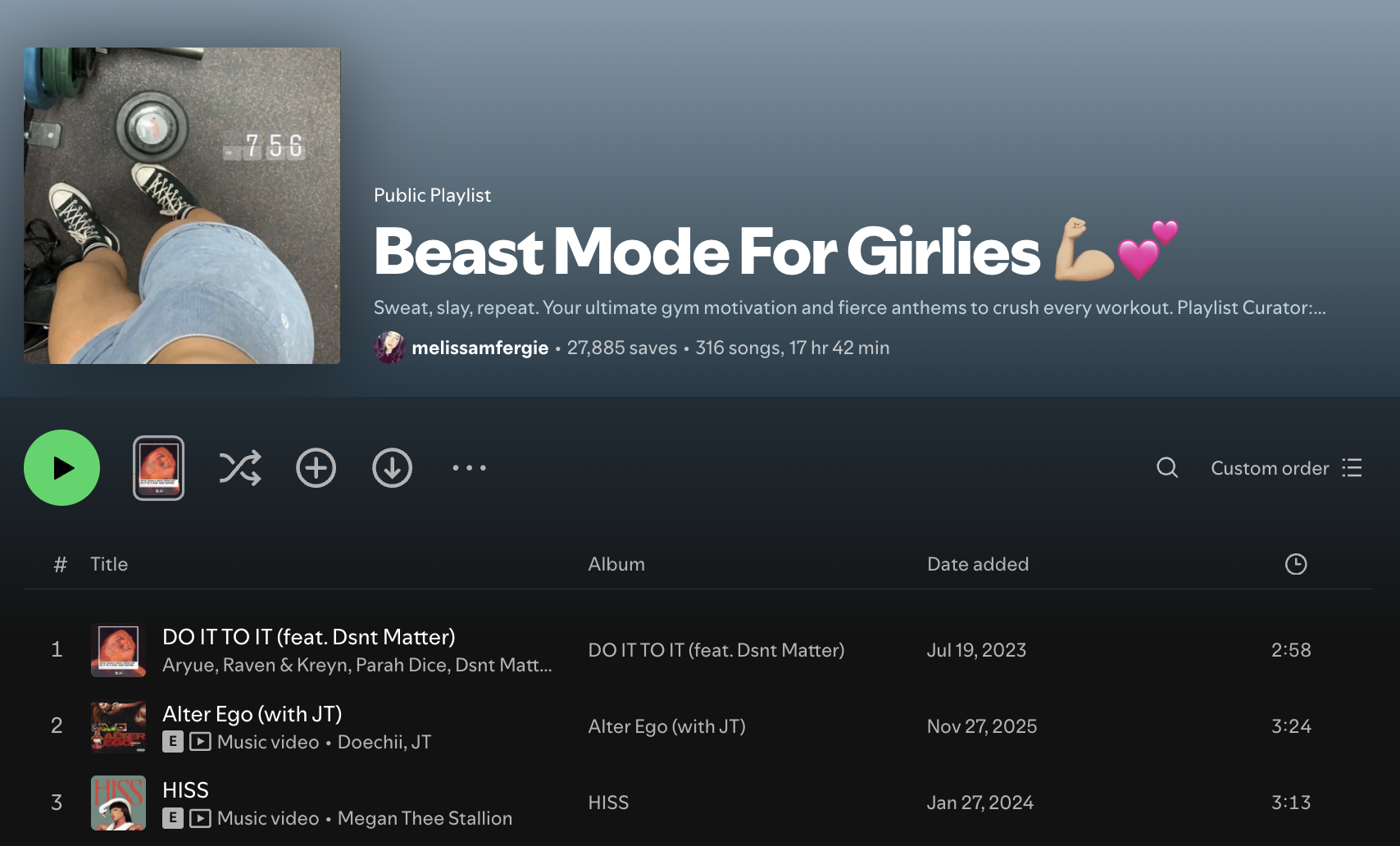
Match your bio’s tone with your playlist’s energy. A high-energy gym playlist should sound different than a slowcore heartbreak collection. Make it personal. Make it you.
Step 3: How to Structure a Spotify Playlist for Better Engagement
A giant playlist with all of your favorite tunes is a great starting point, but if you want people to listen to your playlist, don’t stockpile your music library into one playlist. Categorize your taste into separate, cohesive playlists. Your job as a Spotify playlist curator isn’t to dump your entire music library into a single playlist. It’s to guide people through a vibe. Whether it’s a slow build, a mood shift, or a sonic rollercoaster, each track should connect to the one before and the one after. Not necessarily by genre, but by emotion, energy, or atmosphere.
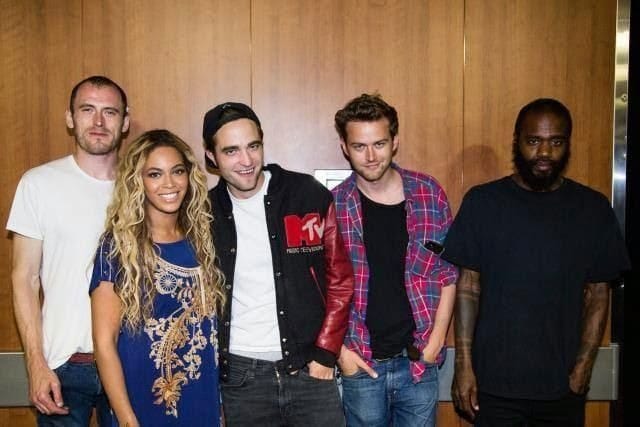
Each track doesn’t have to seamlessly blend into the next, but what you don’t want is a Death Grips track playing directly after Beyonce.
Try using Spotify’s crossfade feature (set crossfade to 4–6 seconds) and listen to your playlist as if you’re the listener. Does the transition feel jarring? Does a hyper-pop banger ruin the mood right after a downtempo soul track? Smooth it out. Fix the order. Be deliberate.

This provides insight into how well it flows as a whole. There’s nothing artistically significant about Spotify’s algorithms generating a list of songs based on user data. There is something special about your personal, lived experience that makes you resonate with an artist or a particular type of music. Get a sense of why you connect with it, and add artists you relate to for the same or similar reasons. A great playlist has meaning to you. Mutual fans of the same artist will discover new artists, and follow your playlist, if they can sense it was built with intention. The top 8 tracks are your first impression. This is where users are most likely to pick the first song they listen to, and if those tracks are low-quality, they won't give your playlist a second thought.
Learn how to leverage Spotify’s new features to build great playlists.
Manage Your Playlist Like a Pro
Unlock the full potential of your playlists with TuneMyMusic.com – the ultimate tool for playlist curators. Whether you're a seasoned curator or just starting out, TuneMyMusic.com empowers you to effortlessly transfer, convert, and manage your playlists across various music streaming platforms. Seamlessly migrate your carefully crafted playlists from one service to another, ensuring your music collections stay up-to-date and accessible to a wider audience. With an intuitive and user-friendly interface, TuneMyMusic.com streamlines the playlist curation process, saving you time and effort.
Step 4: Make Social profiles for discoverability and running ads
If you're trying to grow your playlist without having a social presence in 2026… good luck. You don’t need to be an influencer or spam DMs all day, but having a dedicated Instagram profile gives your playlist an actual face. And more importantly, it gives listeners (and artists) a way to find and connect with you.
It builds trust. When you DM an artist to say, “Hey, I added your track to my playlist,” they’re way more likely to share it if you have a profile with a bio, some aesthetic posts, and a vibe.
You can run Instagram ads. This is a big one. If you ever want to promote your playlist with even $10–$20, having a business or creator account lets you run targeted ads to your niche. Want to push your playlist to fans of Clairo, Brent Faiyaz, or Fred again? You can literally do that with one button. No ad agency required.
It opens you up to collabs. Other curators, artists, or even small brands might want to work with you. Instagram is where those DMs start.
What should you post?
- New tracks added to your playlist
- Aesthetic screenshots or snippets of songs
- Polls, story Q&As about favorite artists
- Reels with trending sounds (this boosts reach big time)
This isn’t about chasing clout. It’s about showing up, building a vibe, and making your playlist easier to discover. Spotify curation doesn’t live in a vacuum. You need presence, and Instagram is still where a lot of music culture lives.
Step 5: How to Grow Spotify Playlist Followers Organically and With Ads
Playlist followers are nothing but a vanity metric; you want your playlist to gain them for credibility. What’s actually important is the number of monthly listeners your playlist generates for artists. A playlist with 10,000 followers may look really good and draw attention to your profile, but if 9,996 of those followers are inactive, your playlist is worthless.
Getting your first 10 playlist followers feels like pulling teeth. But once you crack that initial layer of social proof, growth starts to compound. People are more likely to follow a playlist that already has a few followers. That’s where your friends, social network, and yes, ads, come in.
Start with Your Inner Circle
Your friends, family, coworkers, and even that one guy you went to high school with are all potential playlist followers. It might feel awkward to ask, but think of it as giving them something valuable, not begging for attention.
- DM your playlist link directly and say something casual like: “Yo, I made this playlist for late-night drives. I think you’d vibe with it. Can you give it a follow?”
- Share it on your main socials. Even a small story post with a link sticker can grab a few curious taps.
- Add a CTA (call to action) like: Help me get this playlist to 100 followers—it’s built for fans of [insert artists]
Every follower helps push your playlist up in Spotify’s search results. A playlist with 5 followers will rank above one with zero. It’s that simple.
Move into Paid Ads (Yes, Even Just $5–$10)
Once your playlist’s visuals, vibe, bio, and songs are locked in, run a small Instagram or Facebook ad. Target by interests: specific artists, genres, or moods. For example, if your playlist is full of artists like Omar Apollo and Steve Lacy, target their fans. Keep your ad creative simple. A clip of your playlist’s sound or a clean carousel with aesthetic text. Link straight to the Spotify playlist. A Budget of $5–$15/day is a solid start.
This is where your Instagram curator profile from Step 4 becomes clutch. Not only can you run ads, but people will click through to your profile and see you’re legit. That builds trust.
Bonus: Leverage Niche Communities
Drop your playlist in music subreddits, Facebook groups, Discord servers, or even Threads & Twitter communities. Learn how to promote your playlists on TikTok. Just don’t spam. Give value. Say what the playlist is for, mention some key artists in it, and be transparent.
I’ve seen curators stall for months because they tried to appeal to everyone. The ones who picked one clear lane almost always grew faster.
Why This Works (and Why It Matters)
The goal isn’t just vanity metrics, it’s engagement. If your playlist starts gaining active listeners, that’s what artists care about. That’s what PlaylistPush, playlist curator jobs, and other platforms will look for. It’s not “How many followers?” It’s “Are people listening?” and “Are artists getting monthly streams from your playlist?”
Start small. Stay consistent. Build from your circle outward. That’s how real playlist curators grow.
Learn how to grow your Spotify playlists.
Tools and Resources for Spotify Playlist Curators
Successful curators often use the following tools:
- Spotify for Artists – Track playlist performance
- Canva – Create cover art
- Playlist Push – Monetize and connect with artists
- Instagram Reels – Promote playlists
- IsItAGoodPlaylist.com – Analyze trends
Conclusion - Strap In For The Long Haul
Becoming a Spotify Playlist Curator in 2026 is a long game, but it's worth it.
If you want to make the next great Spotify playlist, don’t expect your playlist to gain hundreds of thousands of followers overnight. The speed your playlist grows really comes down to two simple factors: How easily people can find it and if it’s good enough for people to share with their friends.
Anyone can throw together a playlist. But if you want to become a great Spotify playlist curator, someone people trust, follow, and even pay attention to? That takes intentionality, consistency, and a little bit of love for the long game.
If you’ve made it this far, you’re already way ahead of most people. You care about the craft. You want to grow not just a playlist, but a real presence. And whether you're doing it to help indie artists get heard, to build your own brand, or to eventually get paid through playlist curator jobs or song review gigs, just know this:
It’s all possible. But it doesn’t happen overnight.
Keep curating playlists with purpose. Keep refining the sound. Keep sharing it with people who care. The music industry might be shifting faster than ever, but one thing stays the same: people follow people with great taste. If you’ve got it and you’re willing to put in the work, you can absolutely make it as a Spotify curator.
FAQs
- Can you actually make money from Spotify playlists?
Yes, but only if your playlists are getting real engagement. Platforms like PlaylistPush.com connect you with independent artists who pay to have their music reviewed or added to playlists. The more active and genre-specific your playlists are, the more likely you’ll qualify to become a curator and start earning.
- What does a playlist curator actually do?
A playlist curator listens to new music, decides what fits a specific vibe or genre, and organizes songs into intentional lists that serve a certain mood or purpose. Today, many playlist curators also run social media profiles, manage submissions, and collaborate with artists.
- How many followers do I need to join PlaylistPush or other curation platforms?
You’ll need 1,000+ playlist followers, but more important than that is monthly listener activity. PlaylistPush and similar platforms want to know that your playlists are actually driving streams, not just sitting pretty with inflated follower counts.
- Can anyone become a Spotify playlist curator?
Yes. Anyone with a Spotify account can create playlists. Success depends on niche selection, consistency, and promotion.
- Is it better to have many small playlists or one big one?
One focused, high-engagement playlist usually performs better than many inactive ones.
- Do Spotify algorithms favor curated playlists?
Yes. Playlists with strong save rates, low skip rates, and frequent updates rank higher.
Do you have Spotify Playlists with 1000+ followers?
Sign up as a Playlist Push Curator to monetize your Playlists.