

Spotify Playlist Marketing: Why Artists Should Promote Playlists Instead of Singles
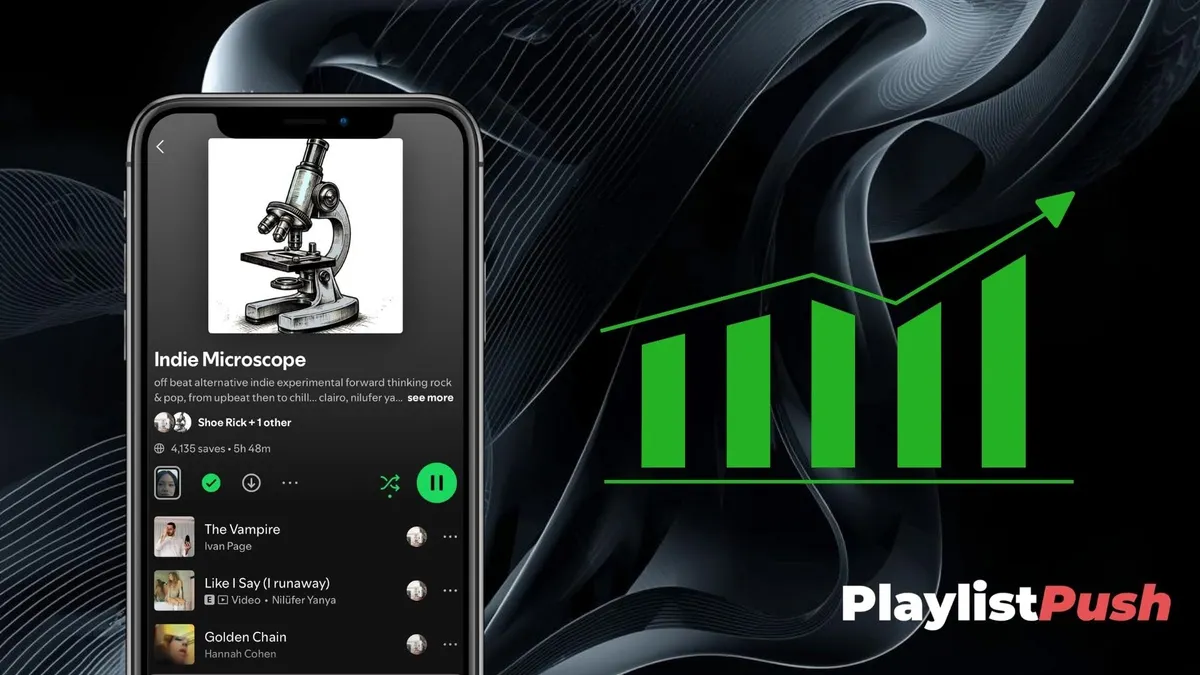
Independent artists are constantly searching for the best way to promote music on Spotify. Every day, musicians spend money on Facebook ads, Instagram campaigns, TikTok content, and Spotify promotion services, hoping their latest single will explode. Most of the time, the results are disappointing. Streams spike for a few days, ad costs climb, and listeners disappear almost as quickly as they arrived. The harsh reality is that promoting one song to a cold audience is one of the weakest music marketing strategies in modern streaming culture.
Spotify playlist marketing changes that completely. Instead of asking strangers to emotionally invest in one unknown track, playlist promotion creates an entire listening experience. It gives listeners familiarity, mood, genre consistency, and context. A playlist feels valuable immediately, even if the listener has never heard of the artist behind it. That single shift dramatically improves listener retention, engagement, saves, follows, and repeat listening behavior. All signals that matter deeply to the Spotify algorithm.
This is why more independent artists are shifting toward Spotify playlist promotion instead of running ads directly to singles. Playlist marketing allows musicians to blend their music alongside artists with established audiences while building algorithmic trust with Spotify itself. It also lowers friction during music discovery, making audiences far more likely to engage naturally. In a world where attention spans are shrinking and competition is exploding, playlists offer something a single song often cannot: an easy reason to stay.
The smartest music marketing strategy today is not simply generating clicks. It is creating listening environments that encourage people to remain engaged for longer periods of time. Spotify’s recommendation system rewards that behavior aggressively. If artists want organic Spotify growth, playlist followers, better algorithm placement, and sustainable fan development, playlists are no longer optional. They are becoming the foundation of modern Spotify growth strategy.
Why Most Independent Artists Waste Money on Spotify Single Promotion
Many musicians assume that sending paid traffic directly to a single song is the fastest route to Spotify growth. On the surface, it sounds logical. More clicks should equal more streams, right? Unfortunately, streaming platforms do not work that simply. Running Spotify ads for musicians without understanding listener psychology often creates inflated costs and weak engagement metrics. The result is a campaign that looks successful on paper but fails to create long-term fan growth.
The biggest issue with single promotion is a lack of context. Imagine walking into a movie theater halfway through a film you know nothing about. You have no emotional investment, no familiarity with the characters, and no reason to care deeply yet. That is exactly how cold audiences experience random music ads. They hear a few seconds, decide instantly whether they are interested, and usually move on. Modern audiences are overloaded with content every minute of the day. Unknown artists asking for immediate emotional attention face an uphill battle.
Spotify’s algorithm also watches user behavior closely. Skip rates, listening duration, saves, replays, and session time all influence recommendation systems. If people click an ad and abandon the song quickly, those negative engagement signals can reduce algorithmic momentum instead of improving it. Many artists unintentionally hurt their Spotify growth strategy by forcing cold traffic into a one-song experience that listeners are not ready for emotionally.
Playlist marketing solves this by reducing pressure. Instead of demanding immediate loyalty to one track, artists create a vibe people already want. Whether it is a gym playlist, late-night drive playlist, beach vibes playlist, or indie chill mix, playlists give listeners instant utility. They stay longer because they recognize songs they already enjoy, and during that process, they naturally discover new artists woven into the experience. This creates a smoother form of music discovery that aligns much better with how people actually consume music today. Check out this article for tips on growing your Spotify playlists.
The Problem With Running Ads Directly to One Song
Single-song advertising often struggles because streaming behavior is emotional and contextual. Most listeners are not actively searching for unknown artists while scrolling social media. They are distracted, multitasking, or casually consuming content. Convincing them to pause their experience and emotionally connect to one unfamiliar track within seconds is extremely difficult.
Another major issue is platform friction. Many users clicking Facebook or Instagram ads may not even use Spotify actively. Some are free-tier users forced to watch additional ads before hearing music. Others may not have Spotify installed at all. Every additional step creates drop-off. That means artists pay for clicks that never turn into meaningful engagement or Spotify streams.
Even when streams happen, they may not lead to fan retention. A listener who hears one random song and leaves rarely follows the artist, saves the track, or returns later. This creates shallow traffic instead of community-building traffic. In digital music marketing, quality engagement matters more than raw numbers.
Why Cold Audiences Rarely Convert Into Fans
Fans are built through repetition, identity, and emotional familiarity. One isolated song rarely achieves that with cold traffic. People gradually become attached to artists through repeated interactions and consistent listening. Playlist promotion supports that process naturally.
Cold audiences also trust curated environments more than advertisements. A playlist feels organic. A direct song advertisement feels promotional. That psychological difference dramatically impacts conversion rates, especially for independent artists competing against major-label marketing budgets.
How Spotify Playlist Marketing Changes the Game
Spotify playlist marketing works because it aligns with how people naturally consume music. Most listeners today are not searching album-by-album like previous generations. They consume moods, activities, aesthetics, and emotional experiences. Playlists dominate modern streaming culture because they simplify discovery while matching listeners’ lifestyles.
When artists run ads to playlists instead of singles, they provide immediate value before asking for attention. A playlist titled “Late Night R&B Drive,” “Gym Motivation Rap,” or “Indie Summer Vibes” instantly communicates emotional purpose. Listeners know what they are getting before clicking. That clarity increases ad conversion rates and improves listener satisfaction dramatically.
Playlist promotion also extends listening sessions significantly. Someone may ignore a single after 20 seconds, but they might stay inside a playlist for 30 minutes or more. Spotify interprets that engagement positively. Longer session times signal quality listening experiences, which can help the algorithm recommend tracks to more users organically.
This strategy also creates association effects. If your songs appear next to artists listeners already trust, your music inherits contextual credibility. Human psychology relies heavily on association. Unknown artists feel safer when positioned within familiar musical environments.
That trust transfer is one of the hidden superpowers behind Spotify playlist marketing.
For independent musicians, playlist advertising can also generate data more effectively than single promotion. Playlist follower growth is easier to measure, retarget, and scale. Over time, playlists become long-term digital assets that continue generating discovery long after ad campaigns end. Singles often fade quickly after promotional budgets end, but successful playlists can continue to attract listeners organically through Spotify search and algorithmic recommendations.
Understanding How the Spotify Algorithm Works
The Spotify algorithm is designed to keep listeners engaged for as long as possible. It pays close attention to user behavior signals like skips, saves, repeat listens, playlist adds, session duration, and profile follows. Artists who understand these metrics can build a much stronger Spotify growth strategy instead of relying on random promotion tactics.
When someone clicks an ad to a single song and skips it after a few seconds, Spotify may interpret that as weak engagement. If this happens repeatedly, your music can struggle to gain momentum inside algorithmic playlists like Discover Weekly or Release Radar. This is one reason why direct single promotion often produces inconsistent results for independent artists. Click here to learn how to get on Release Radar.
Spotify playlist promotion naturally creates stronger engagement. Listeners are more likely to stay longer because playlists offer variety and familiarity. Even if they do not immediately connect with your song, they continue listening because the playlist itself still delivers value. That longer listening session improves overall engagement signals, which can positively impact Spotify’s recommendation system.
The algorithm also favors music discovery patterns. If users save songs from your playlist, follow the playlist, or revisit it frequently, Spotify recognizes those behaviors as signs of quality content. Over time, this can increase organic reach and help your tracks appear in more algorithm-driven recommendations. Instead of forcing discovery through ads alone, playlist marketing allows the algorithm to start working for you.
Spotify Playlist Promotion vs Single Promotion
Here is where the difference becomes obvious. Single promotion is usually short-term. Playlist promotion is long-term. One creates temporary streams, while the other builds repeat listeners and audience familiarity.
A playlist also gives artists multiple opportunities to connect with listeners instead of relying on one song alone. If your track appears naturally among similar artists, listeners are more likely to stay engaged and continue exploring your music. That creates a better experience for both the audience and the algorithm.
Single-song campaigns can still work for artists with established fan bases or viral momentum. But for most independent musicians trying to grow organically, playlist marketing provides much better value per advertising dollar. It lowers audience resistance while increasing the chances of repeat listening behavior.
How To Build a High-Converting Spotify Playlist
A successful Spotify playlist starts with a clear identity. Generic playlists rarely perform well because they fail to create an emotional connection. The best playlists target a specific mood, activity, aesthetic, or lifestyle. Think about how people actually search for music. They search for workout playlists, study playlists, late-night drive playlists, chill indie playlists, or party playlists.
The title matters heavily for Spotify SEO. Include searchable keywords naturally in your playlist name and description. If your audience listens to melodic rap, indie pop, lo-fi hip-hop, or alternative R&B, use those terms strategically. This improves discoverability inside Spotify search results while also helping Google understand the playlist topic.
Artists should also mix their songs carefully with recognizable artists in similar genres. If your playlist only contains your own music, it feels promotional. But when your tracks sit naturally beside artists listeners already enjoy, the experience feels curated instead of advertised. That trust dramatically increases listener retention.
Consistency matters too. Update playlists regularly, refresh song order, and monitor which tracks perform best. Active playlists tend to maintain stronger engagement over time. As playlist followers grow, every new song you add gains immediate exposure from an audience already connected to your musical style.
Learn how to make money from your playlists here.
Best Paid Advertising Strategies for Spotify Playlist Promotion
Facebook and Instagram ads remain powerful tools for Spotify playlist marketing when used correctly. Instead of advertising one song directly, artists should focus on promoting the experience of the playlist itself. Ads that communicate a mood or lifestyle usually outperform ads focused only on the artist.
For example, an ad saying “Best Late Night R&B Playlist” will often perform better than “Listen to My New Song.” One sells value immediately. The other asks strangers for attention without context. That difference affects click-through rates, listener retention, and overall campaign performance.
TikTok can also become a major traffic source for playlist growth. Instead of aggressively promoting songs, artists can create content around playlist vibes, music discovery, or emotional experiences connected to the playlist theme. This creates organic curiosity and naturally introduces listeners to your music.
Retargeting ads are another overlooked strategy. Once someone interacts with your playlist or profile, you can retarget them later with new releases, merchandise, or live events. This creates a full-funnel music marketing strategy rather than relying entirely on cold traffic campaigns.
Common Spotify Promotion Mistakes Artists Make
One of the biggest mistakes musicians make is buying fake streams or fake playlist followers. Artificial engagement may inflate numbers temporarily, but Spotify’s system is great at detecting suspicious behavior. Fake streams hurt algorithm trust and rarely produce real fans or revenue.
Another major mistake is targeting audiences too broadly. Successful Spotify playlist advertising depends on specificity. A playlist designed for underground indie fans should not target every music listener on Facebook. Narrow targeting creates stronger engagement because the playlist aligns more closely with listener preferences.
Many artists also expect immediate results. Spotify growth is usually cumulative. Playlists gain strength over time as engagement signals build consistently. Artists who continuously refine playlists, improve targeting, and study listener behavior often outperform musicians chasing quick viral moments.
The goal is not just streams. The goal is sustainable audience growth, repeat listeners, playlist followers, and stronger algorithm positioning. Artists who focus only on vanity metrics usually struggle long-term.
Conclusion
Spotify playlist marketing is becoming one of the most effective music promotion strategies for independent artists. Instead of forcing listeners to connect instantly with one unfamiliar song, playlists create a smoother and more valuable music discovery experience. They increase listening time, improve engagement metrics, strengthen Spotify algorithm signals, and help artists build long-term fan relationships.
The modern music industry rewards attention retention more than simple clicks. For artists looking to grow Spotify streams, playlist followers, and organic reach without wasting money on ineffective single promotion campaigns, playlist marketing offers a smarter path forward.
Artists who understand the power of Spotify playlist promotion are no longer just chasing streams. They are building ecosystems that continuously introduce listeners to their music in a natural and scalable way.
FAQs
Is playlist promotion better than promoting a single on Spotify?
Yes. Playlist promotion usually creates better listener retention, stronger algorithm signals, and higher engagement than promoting a single song directly.
How do Spotify playlists help artists grow?
Playlists improve music discovery, increase listening session duration, and help artists gain followers and repeat listeners organically.
Do Facebook ads work for promoting singles?
They’re less effective than running ads to a playlist.
What kind of playlists perform best on Spotify?
Playlists focused on moods, activities, or genres usually perform best because listeners search for emotional or lifestyle-based experiences.
Can playlist marketing help the Spotify algorithm?
Absolutely. Better engagement metrics like saves, repeat plays, and longer listening sessions help Spotify recommend music to more users.
Looking to promote your music or sign up with a playlist?
Use our Spotify Playlists Pitching service or apply here to become a curator.